.png)

Energy Security and the Future of Nearshoring in North America
- Marco Lopez

- Dec 5, 2025
- 2 min read
Why Energy Security Shapes Nearshoring Success
Nearshoring continues to grow as a strategy for companies that want proximity, shared time zones, and more resilient supply chains. Yet one factor often determines whether these investments succeed or fail. That factor is energy security.
As a former mayor of a border city in Arizona, former Director of the Arizona Department of Commerce, former Chief of Staff at United States Customs and Border Protection, and now CEO of Intermestic Partners, an international business advisory firm founded in 2011 that specializes in cross border trade and development, I have seen how energy reliability can make or break nearshoring projects.
What Energy Security Really Means
Energy security is the consistent availability of affordable and sustainable energy. For manufacturers and data driven industries, this is not a technical detail. It is the foundation of productivity, cost control, and long term operations. When energy supply is uncertain, production slows, delivery deadlines are missed, and reputational damage follows.
One global study found that energy disruptions in nearshoring locations contributed to billions in financial losses due to halted production and backup power costs, an impact far greater than labor savings.
The Nearshoring Energy Gap
Many companies focus on labor and logistics when choosing nearshore locations, but overlook the fragility of local power grids. Frequent outages, rising electricity costs, and dependence on unstable energy sources can quickly erase the advantages of nearshoring. A single blackout can shut down an assembly line, disrupt a data center, or delay shipments for days.
How Companies Can Protect Their Investments
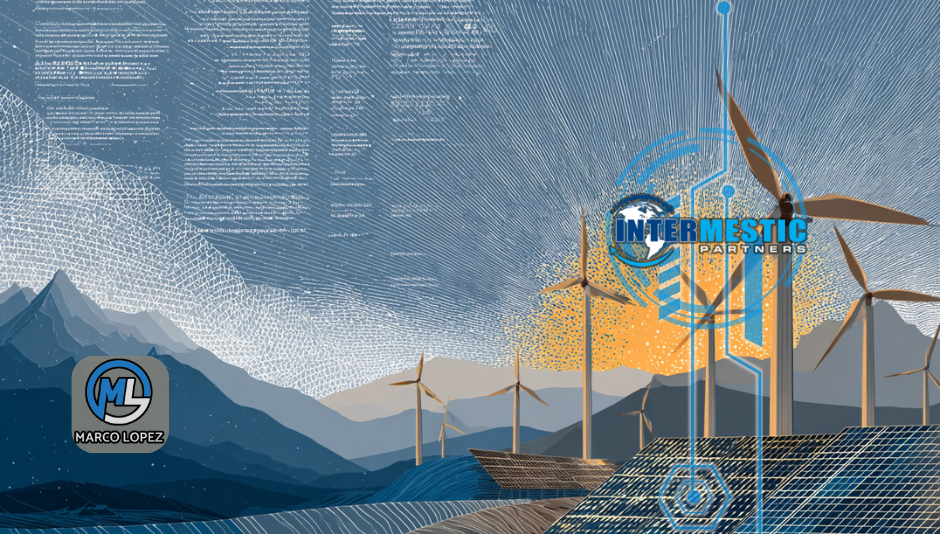
A successful nearshoring strategy requires a clear energy plan. Companies should evaluate grid stability, diversify energy sources, and invest in renewables where feasible. Solar, wind, and storage systems not only increase reliability but also strengthen sustainability commitments. Governments can support this shift with incentives and long term policy certainty.
Preparing for a More Competitive North America
Energy security is emerging as the true backbone of modern nearshoring. Organizations that prepare now will gain a major competitive advantage as North America deepens its economic integration. For companies exploring nearshoring, site selection, supply chain strategy, or renewable energy options, Intermestic Partners works with top national and international companies to build resilient and future ready operations.
The next wave of nearshoring will belong to those who plan for the energy needs of tomorrow. Let us build that future together.


Comments