

Sports Diplomacy and Why This Matters to Me

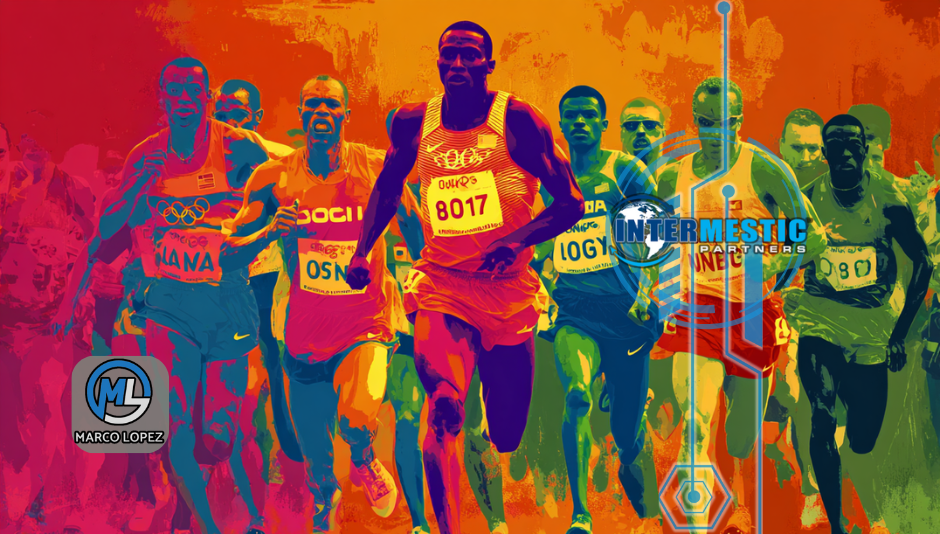
There are some topics you write about because they are timely. And then there are topics you write about because they genuinely excite you.
Sports diplomacy is one of those for me.
At a moment when global politics often feel tense, transactional, and exhausting, sports remind us that connection does not have to start with agreement. It can start with shared experience, emotion, and joy.
That is why this year, I am intentionally leaning into sports diplomacy as both a passion and a serious area of work.
Why Sports Speak to People First
Diplomacy is usually framed as formal meetings, official statements, and long negotiations. Those tools matter, but they are rarely where trust is born.
Sports work differently.
They reach people before politics does. Fans, athletes, and communities connect instinctively. Rivalries exist, but respect often follows. The playing field becomes neutral ground where identity is expressed, not imposed.
That human connection is powerful. And it is something I believe we need more of right now.
In 1971, a casual table tennis exchange between American and Chinese players reopened diplomatic relations frozen for more than twenty years. No summit. No treaty. Just sport creating space for dialogue.
Moments That Prove the Power
History offers inspiring examples of sports diplomacy at its best.
South Africa’s 1995 Rugby World Cup did more than crown a champion. It helped a nation imagine itself as one people after apartheid.
At the Winter Olympics, North and South Korean athletes marching together reminded the world that symbolism can still soften hardened lines.
These moments matter because they show what is possible when diplomacy feels human instead of abstract.
Why This Resonates With My Own Journey
As a former mayor of a border city in Arizona, I learned early that borders are not just lines on a map. They are living spaces where culture, commerce, and community intersect.
Later, as Director of the Arizona Department of Commerce and Chief of Staff at U.S. Customs and Border Protection, I saw how trust and relationships often determine outcomes more than policy language alone.
Today, as CEO of Intermestic Partners, an international business advisory firm founded in 2011, we specialize in cross border trade and development. We work with top national and international companies, and the lesson is consistent. Deals move faster when relationships come first.
Sports diplomacy fits naturally into that worldview.
A Positive Tool for a Complicated World
Sports diplomacy is not naive. It does not replace formal diplomacy or hard decisions.
What it does is create openings. It lowers defenses. It builds familiarity. It reminds people that cooperation is possible, even when differences remain.
In a world facing shared challenges, from security to economic development, those openings matter more than ever.
Looking Ahead
This year, I am excited to explore how sports can be used more intentionally as a bridge between communities, industries, and countries. Not as spectacle, but as strategy rooted in optimism.
Because progress does not always start at the negotiating table.
Sometimes it starts with a game.
Call to Action
If you are interested in exploring innovative ways to build cross border partnerships and unlock opportunity through culture, commerce, and connection, I invite you to engage with Intermestic Partners.
The best collaborations begin where people meet each other as people first.


Curious about ryanair standing seats and whether this unusual seating concept could ever become a reality? Explore how the idea started, why it attracted attention, and whether travelers can actually book this type of seating today.
Marco, this was a highly insightful perspective on how sports diplomacy creates meaningful global connections beyond competition. Your examples clearly show that sports can serve as a bridge for peace, dialogue, and mutual respect among nations. In today’s divided world, this approach feels more relevant than ever. I especially appreciated the emphasis on cultural exchange and collaboration through athletics. At Healthmedsrx, we also believe that wellness, much like sports, has the power to unite people across borders. Initiatives like these remind us that common passions can break barriers and foster understanding. Excellent article that highlights how sports continue shaping diplomacy in impactful ways.
When I travel, I want the freedom to explore places on my own schedule without relying on public transport or expensive taxis. Comfort and convenience are always my priorities, especially in a new city. That’s when I prefer choosing a reliable Car Rental service that fits my travel needs perfectly. ZadCars has been my go-to option, offering smooth booking, clean cars, and budget-friendly pricing. It allows me to enjoy every journey without stress or delays. With trusted service and flexibility, Car Rental through ZadCars makes my trips more enjoyable and truly hassle-free
If you are asking what terminal is Cathay Pacific at LAX, the airline operates from the Tom Bradley International Terminal at Los Angeles International Airport. Cathay Pacific uses this modern international terminal for both departures and arrivals. The terminal offers premium lounges, duty-free shopping, restaurants, and efficient security screening for international travelers. When checking what terminal is Cathay Pacific at LAX, passengers should arrive early to allow time for check-in, baggage drop, and immigration procedures. The Tom Bradley International Terminal is well connected to other terminals at LAX, making transfers easy for travelers continuing their journey or arriving in Los Angeles.
This was a great read – I appreciate how you frame sports diplomacy as real relationship‑building instead of just a feel‑good side topic. As someone involved in the cheapest online thrift store–type projects, it really resonates to see how everyday passions, whether sport or small business, can quietly open doors and build trust across borders.